


Most people chalk up poor sleep to stress, aging or an overly busy life. But mounting research suggests that chronically disrupted sleep isn’t just a lifestyle issue. It’s a health issue, with far-reaching consequences for the brain, heart, metabolism, mood and even personal safety. According to the National Institutes of Health, an estimated 50 to 70 million Americans live with sleep disorders, and nearly one in three adults does not regularly get the uninterrupted sleep needed to protect long-term health. Yet many people remain undiagnosed, assuming exhaustion is something to push through rather than evaluate and treat. That disconnect is part of why sleep medicine has become an increasingly important—and multidisciplinary—field. In Sarasota, physicians across fields such as pulmonary medicine, psychiatry and even dentistry are seeing firsthand how untreated sleep problems erode their patients’ quality of life—and how effective treatment can be transformative.
Sleep is often treated as the most expendable part of one’s day. But according to Dr. Matthew Edlund, a Sarasota-based physician who practices psychiatry and sleep medicine, that mindset fundamentally misunderstands what sleep actually does.
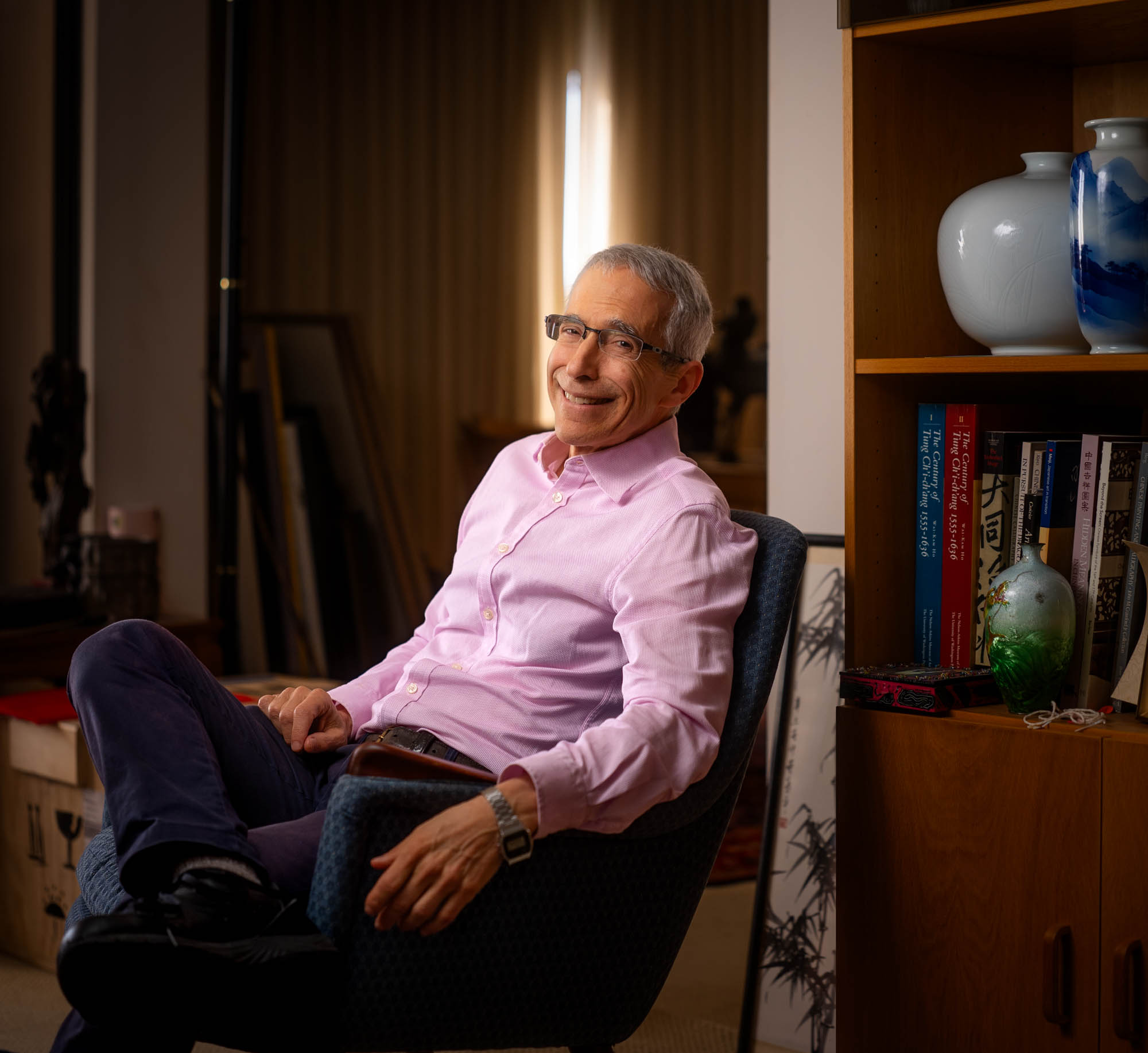
“Sleep isn’t passive downtime,” Edlund says. “It’s rebuilding, restoring and renewing the body.” He explains that sleep is an active biological process during which the brain cycles through stages that regulate memory, metabolism, mood and immune function. When those cycles are disrupted night after night, the negative effects can appear quickly—sometimes within days. Modern life, Edlund notes, has made sustained, restorative sleep harder to come by. Anxiety levels have risen sharply in recent years, and chronic worry is one of the most reliable sleep disruptors. “When people don’t feel safe,” he says, “they stop sleeping.” Add constant
screen exposure, late-night news consumption and round-the-clock connectivity, and many people find themselves wired at precisely the moment they need to wind down.
Ironically, the growing obsession with “perfect sleep” may be making things worse. Wearable devices and sleep apps encourage people to scrutinize every metric, turning sleep into yet another performance goal. “Sleep should be as natural as breathing,” Edlund says. “When people turn it into a job or a competition, they set the conditions to really mess it up.”
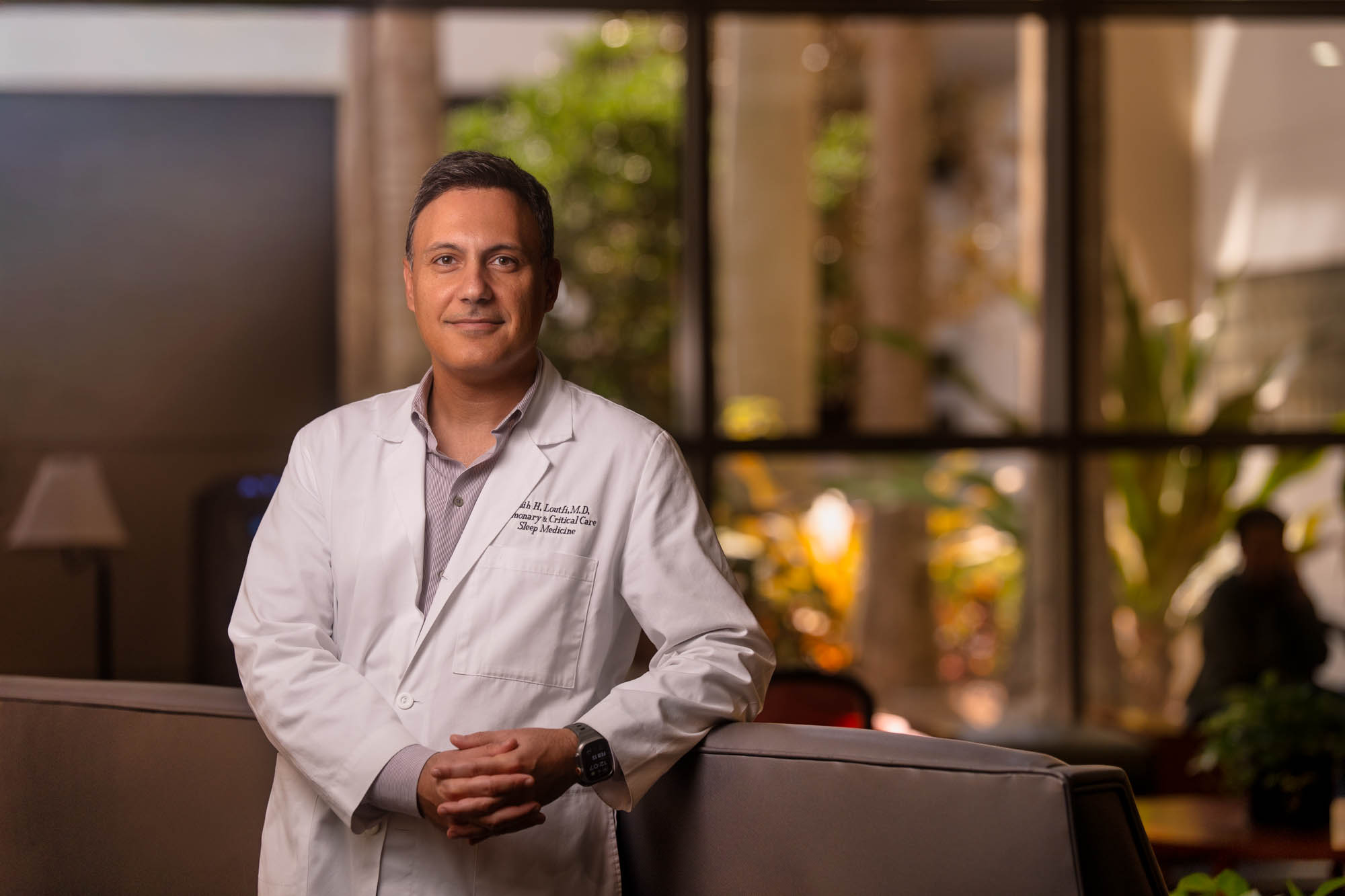
For many, the line between “not sleeping well” and a true medical problem is easy to miss. Dr. Rabih Loutfi, medical director of Sarasota Memorial Hospital’s recently opened Sleep Disorder Center, says that’s one reason sleep disorders remain widely underdiagnosed. The most common condition his team sees is obstructive sleep apnea, a disorder in which breathing repeatedly stops and starts during sleep due to collapse or blockage of the airway behind the tongue. While it’s often associated with loud snoring, its effects extend far beyond nighttime noise. “Patients don’t wake up refreshed,” Loutfi says. “They’re tired throughout the day, almost as if they’re chronically sleep deprived.”
Left untreated, sleep apnea is strongly linked to serious long-term health risks. Studies have shown higher rates of high blood pressure, heart disease, heart attacks, stroke, cardiac arrhythmias and pulmonary hypertension among patients with moderate to severe sleep apnea. Daytime drowsiness also increases the risk of motor vehicle accidents—an often-overlooked but potentially deadly consequence.
Age and weight are major risk factors, Loutfi notes, as changes in muscle tone and airway structure make obstruction more likely over time. The strong association between obesity and sleep apnea has also driven recent FDA approvals of GLP-1 medications for the condition. By promoting sustained weight loss, the drugs can reduce fatty tissue around the airway, decreasing obstruction during sleep, and in some patients, markedly improve or even eliminate apnea symptoms.
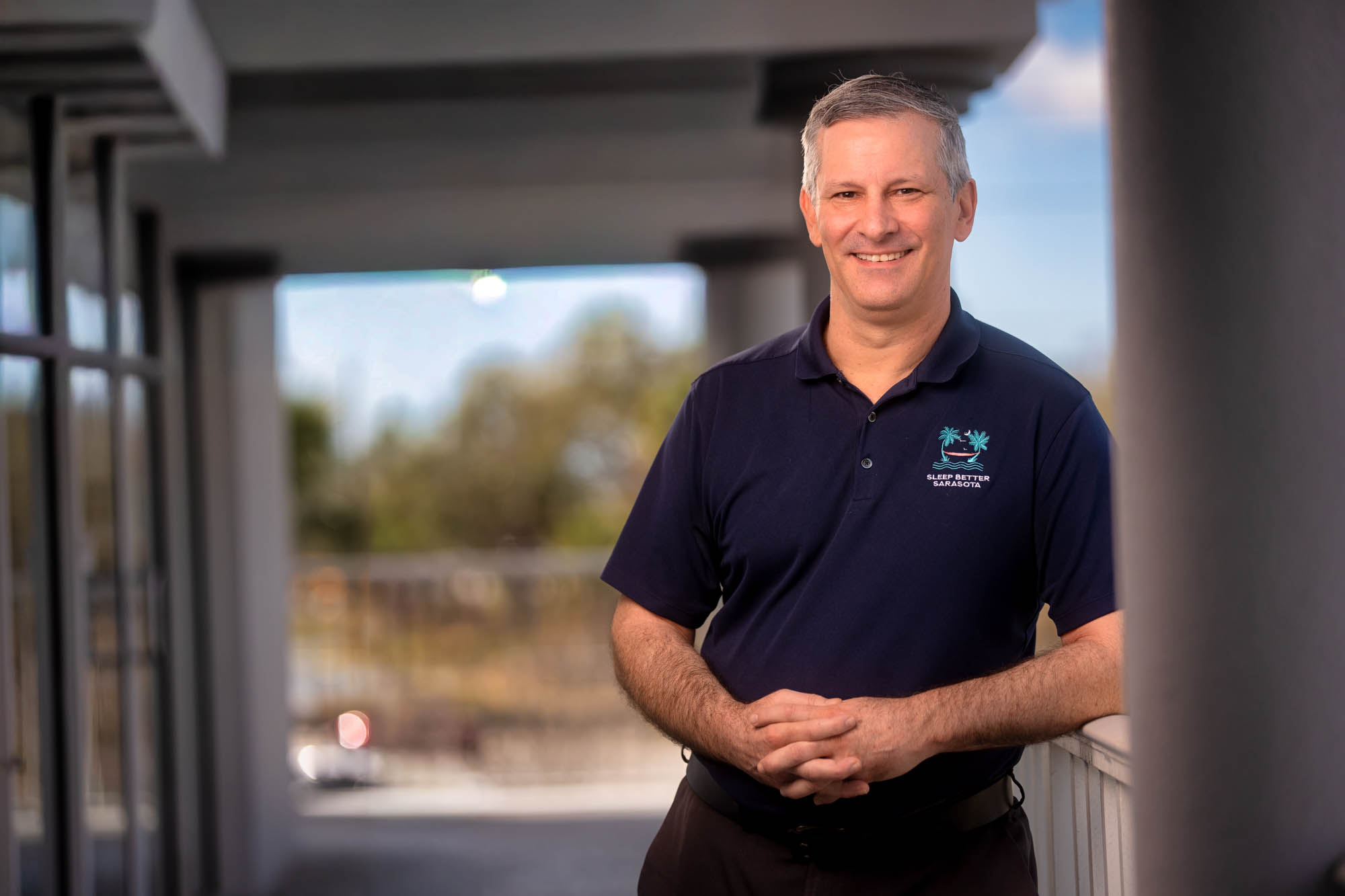
At the Sleep Disorder Center, patients undergo comprehensive evaluations that may include overnight sleep studies—either in a laboratory setting or at home—followed by individualized treatment plans. While continuous positive airway pressure (CPAP) therapy remains the gold standard, advances in sleep medicine have expanded options significantly, improving both comfort and long-term outcomes for patients. Sometimes the symptoms of a sleep disorder don’t look the way people expect. Dr. James Cannon, a Sarasota dentist who specializes in dental sleep medicine at Sleep Better Sarasota, says patients frequently arrive in his office complaining of jaw pain, migraines, teeth grinding or chronic facial tension, without realizing the underlying issue may be their airway.
For patients diagnosed with mild to moderate sleep apnea—or those who cannot tolerate CPAP machines—custom oral appliances can be an effective alternative. Worn at night, the devices gently reposition the lower jaw and tongue forward to keep the airway open. Because they are small, quiet and easy to travel with, Cannon says many patients find them easier to use consistently than CPAP machines.
Sleep apnea can also present differently in women than in men, making it easier to miss. While men often stop breathing outright, women may unconsciously hold their jaw forward during sleep to keep their airway open, a compensatory habit that can lead to TMJ disorders, headaches and facial pain. Loud, chronic snoring—especially when it comes from the back of the throat rather than the nose—is another red flag. “I wish we could rename sleep apnea ‘sleep suffocation,’” Cannon says. “That would get people’s attention, because that’s really what’s happening. The body is repeatedly pulling itself out of deep sleep to survive—often without the sleeper ever realizing it.”
Beyond individual health, the condition can put a strain on relationships. Snoring and nighttime breathing disruptions are a leading cause of “sleep divorce,” Cannon says, as partners move to separate rooms—often out of exhaustion, fear or both.
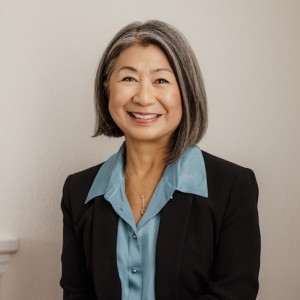
While the causes of poor sleep can be complex, the path toward better sleep is often more straightforward than people expect. The first step, all three physicians emphasize, is recognizing that chronic sleep problems are not a personal failure—nor a “normal” part of modern life to simply power through—but a medical issue worth evaluating. In Sarasota, physicians across multiple specialties are seeing what happens when their patients’ sleep is restored: better overall health, clearer thinking, steadier moods, safer driving and a renewed sense of well-being.
Dr. Matthew Edlund, regenerationhealthnews.com; Dr. Rabih Loutfi, smh.com/Home/Services/sleep-disorder-center; Dr. James Cannon. sleepbettersarasota.com